Good care produces signals worth studying
Healthcare organisations have mature routes for things that went wrong. The patience, judgement and work design behind good care are easier to praise than to study.
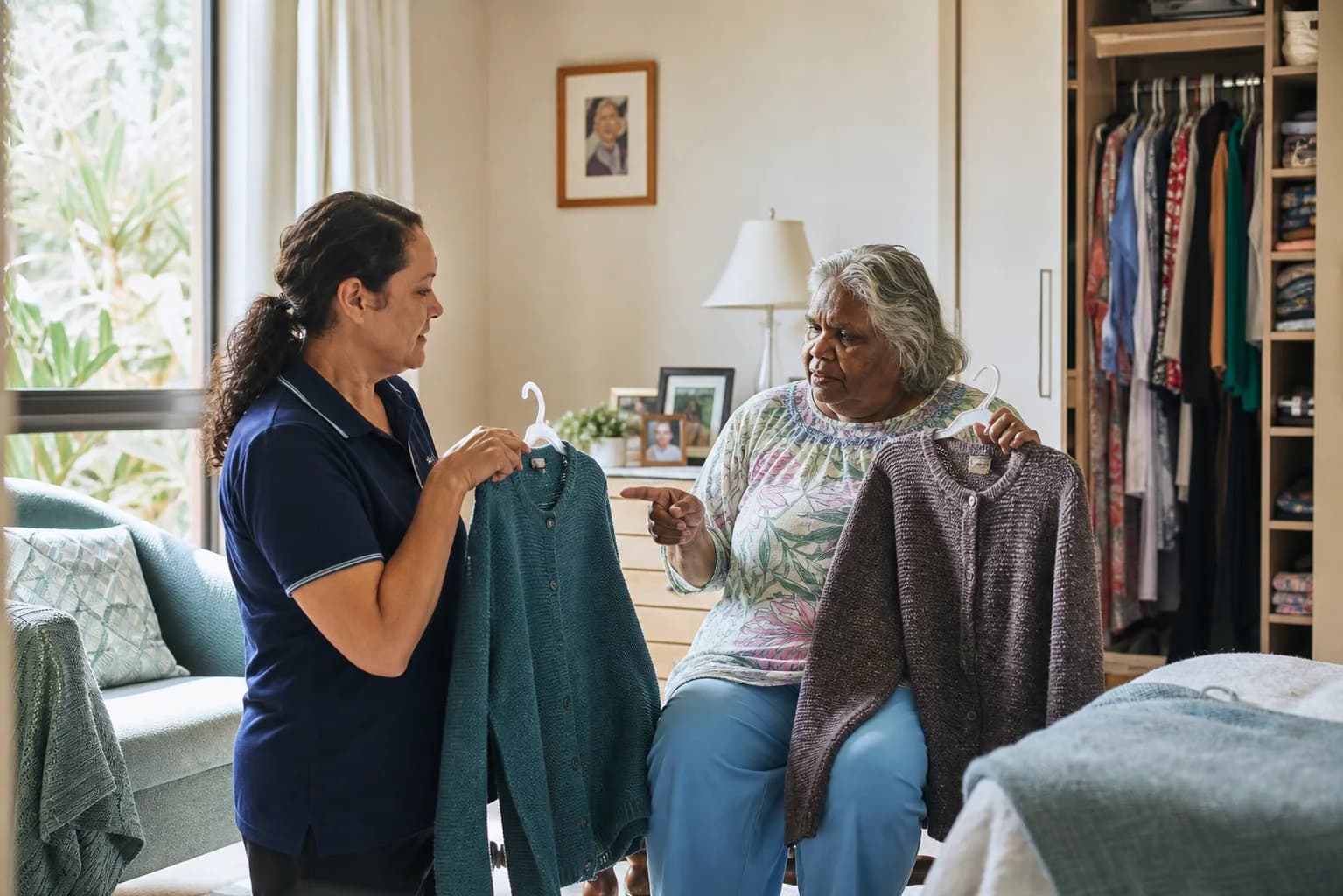
Most patient feedback is positive
Positive feedback is often read, shared with a team and then archived. Recognition matters. A sincere message can remind people that their work was seen. It can also contain specific evidence about behaviour and conditions worth repeating.
Lloyd and colleagues reviewed 68 empirical papers on positive patient feedback across six continents. Reported outcomes included short-term emotional change, improved psychological wellbeing, motivation and work-related change. Only two studies were interventional, so the review describes a promising field rather than settled proof of effect. 1
That evidence supports a careful practical question: can organisations move from “thank you” to “what made this care possible?”
Moment
Good care is noticed
Patience, judgement, dignity or an effective workaround
Pattern
The behaviour recurs
Teams can examine the conditions that made it possible
Practice
The lesson is shared
Recognition becomes a concrete learning opportunity
Positive comments contain more than morale
A family may praise the nurse who explained a change twice and checked understanding. A resident may value being given enough time to choose. A client may notice that two support workers coordinated a routine smoothly.
Those accounts point towards communication, autonomy, staffing, role clarity and continuity. They can show how strong care was delivered under real conditions. The detail matters more than a generic compliment because a team can examine and teach it.
Baines and colleagues found narrative specificity and facilitated reflection among the factors that helped patient feedback influence professional behaviour. The same conditions apply to positive feedback. “Excellent team” is encouraging. A description of what the team did creates a learning opportunity. 2
Learning from success needs the same discipline as learning from failure
Braithwaite, Wears and Hollnagel argue that resilient healthcare should examine how everyday work succeeds under varying conditions, rather than limiting safety learning to failure. 3 The proposition is attractive and easy to dilute into slogans.
Teams still need method. They should identify the behaviour, ask what conditions supported it, check whether it appears elsewhere and decide whether the practice can travel safely. A workaround that saved time in one moment may carry risk when standardised.
High-reliability learning also resists simple explanations. AHRQ’s discussion of high-reliability principles includes sensitivity to operations, reluctance to simplify and deference to expertise. Those habits help a team study why good care occurred without reducing it to individual heroism. 4
Recognition should not become individual scoring
A leaderboard changes the meaning of positive feedback. Staff working in visible roles or settings with more engaged families may collect more praise. Teams facing higher acuity or fewer opportunities for conversation may appear weaker without any fair basis.
Aggregated positive themes offer another route. Leaders can see repeated observations about inclusion, calm explanations or good handover while protecting individuals from ranking. Teams can still celebrate named feedback through existing recognition processes when consent and policy allow it.
The aim is to learn from practice, not to convert gratitude into performance surveillance.
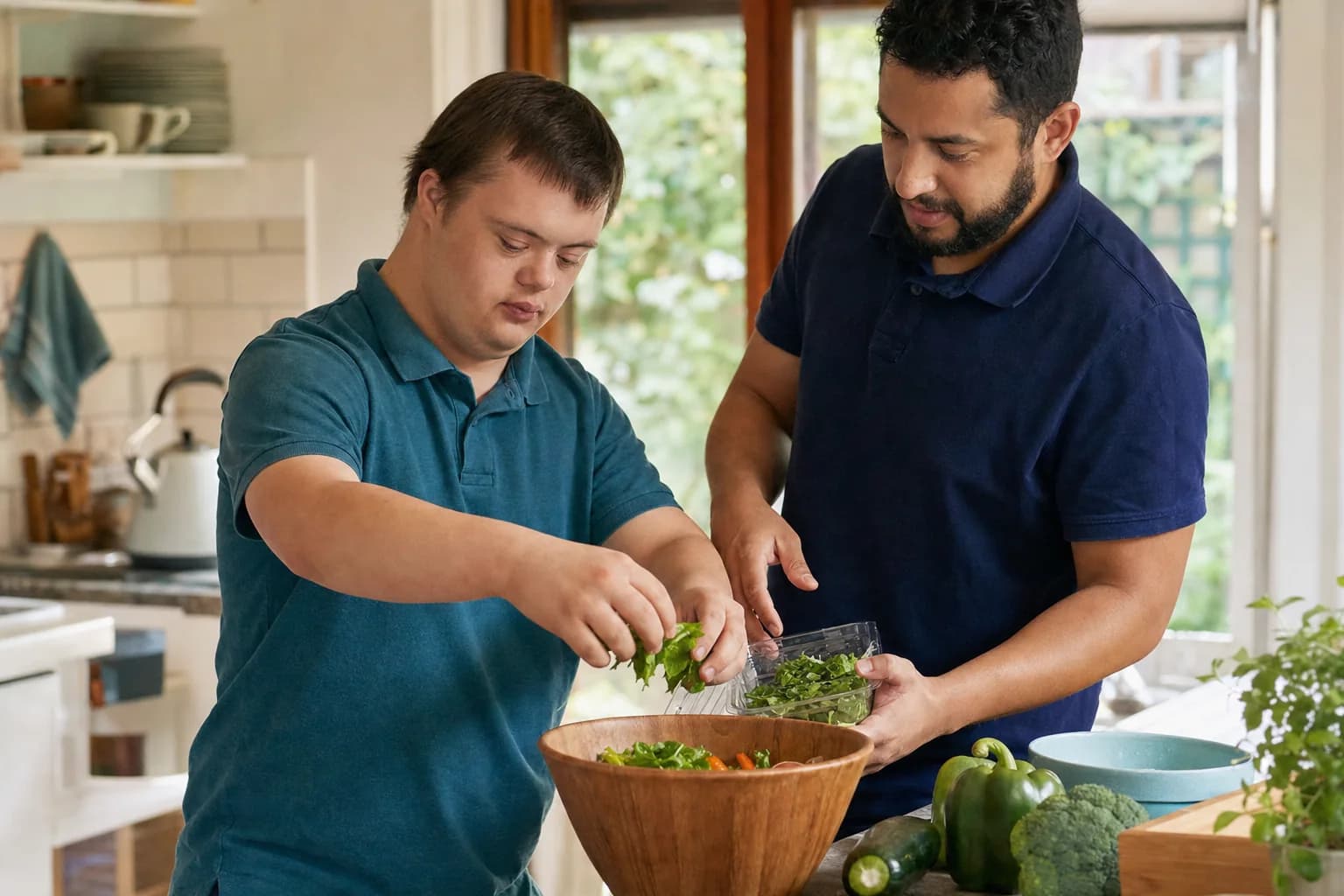
Positive and concerning signals belong in one operational picture
A communication theme may contain both failures and examples of good recovery. Looking at only the negative side can make the system appear uniformly broken. Looking at only praise can conceal recurring friction.
The combination supports better questions. Which ward receives repeated comments about clear explanations? What happens there during handover? Does the same practice appear on shifts with fewer communication concerns?
The data can suggest where to investigate. It cannot prove that one practice caused the difference, especially when participation and case mix vary.
Positive experience does not certify safe care
A warm interaction can occur inside an unsafe process. A service can receive praise from many people while another group faces barriers to speaking. Positive feedback deserves attention without becoming assurance.
Doyle and colleagues found positive associations between patient experience, safety and effectiveness across many studies, but the constructs and methods varied. The review does not support using compliments as a proxy safety measure. 5
Teams should examine positive and concerning evidence together. Formal safety data, clinical outcomes and direct observation retain their own roles.
Move from praise to a testable practice
A positive theme should produce a description that another team can examine: the family update happened at the same time each day; the nurse used teach-back; the support worker offered a choice before changing the routine.
The originating team can explain what made the behaviour possible. Another setting can test the practice on a small scale and watch for unintended effects. The lesson may be local rather than transferable.
WHO’s patient and family programme places lived experience in partnership with professionals and policy-makers. Positive observations can contribute to that partnership when organisations treat contributors as sources of knowledge rather than testimonials. 6
Measure the learning process before the outcome
A positive-feedback programme can measure whether observations are specific, how often teams review them, whether a practice receives an owner and whether learning is shared. Those measures show whether the process exists.
Claims about morale, retention, quality or safety need suitable outcome measures and enough time. Lloyd and colleagues found many desirable reported outcomes but very little interventional research. 1
The evidence gap is a reason to evaluate carefully, not a reason to ignore positive care. Organisations can document what they try and publish results that include null findings and limitations.
A worked example keeps recognition connected to conditions
Several families describe a unit that explains changes calmly before the evening routine. The review group reads the accounts and asks the team what happens on those shifts. Staff explain that one role checks the plan before handover and that the charge nurse protects ten minutes for family updates.
The organisation can recognise the team and examine both practices. Another unit might test the protected update time, but it should not copy the role arrangement without checking its staffing and workflow. The original team may also explain that the routine fails on high-demand nights, revealing a condition that praise alone would hide.
Participation bias remains. The unit may have more families present or a manager who promotes the channel consistently. The example is therefore a candidate practice, not proof of superiority. The team can document the test, watch for unintended workload and ask patients, families and staff whether the change helped. Recognition opens the inquiry; it does not complete it.
Where PulseMD fits
PulseMD lets patients, families and staff share something good as readily as they raise a concern. Repeated observations can form positive-practice themes alongside friction, safety and operational themes.
The product does not rank staff or certify a practice as best. It helps leaders find recurring examples worth discussing with the people who delivered and experienced the care.
A pilot should make positive voice visible from the first day. If the capture experience feels designed only for problems, the organisation will reproduce the same failure-heavy learning system in a newer interface.
References
- 1.Lloyd R, Munro J, Evans K, et al.. “Health service improvement using positive patient feedback: systematic scoping review.” PLOS ONE, 2023. Original source
- 2.Baines R, Regan de Bere S, Stevens S, et al.. “The impact of patient feedback on the medical performance of qualified doctors: a systematic review.” BMC Medical Education, 2018. Original source
- 3.Braithwaite J, Wears RL, Hollnagel E. “Resilient health care: turning patient safety on its head.” International Journal for Quality in Health Care, 2015. Original source
- 4.Veazie S, Peterson K, Bourne D. “High Reliability Organization Principles and Patient Safety.” AHRQ Patient Safety Network, 2025. Original source
- 5.Doyle C, Lennox L, Bell D. “A systematic review of evidence on the links between patient experience and clinical safety and effectiveness.” BMJ Open, 2013. Original source
- 6.World Health Organization. “Patients for Patient Safety.” World Health Organization, 2025. Original source