PulseMD blog

Patient and family voice
01Why patient experience belongs in the safety and quality conversation
Patient experience is a distinct source of evidence about communication, continuity, dignity and safety. Here is what the research supports, and where the limits sit.

Patient and family voice
02What formal complaints reveal, and what they arrive too late to show
Formal complaints contain valuable evidence about clinical care, management and relationships. Earlier observations answer a different operational question.

Patient safety
03Near misses are data. Reporting systems capture only part of it
Voluntary incident reporting is essential and incomplete. Small observations, good catches and uncertainty need a safe route into organisational learning.
Experience measurement
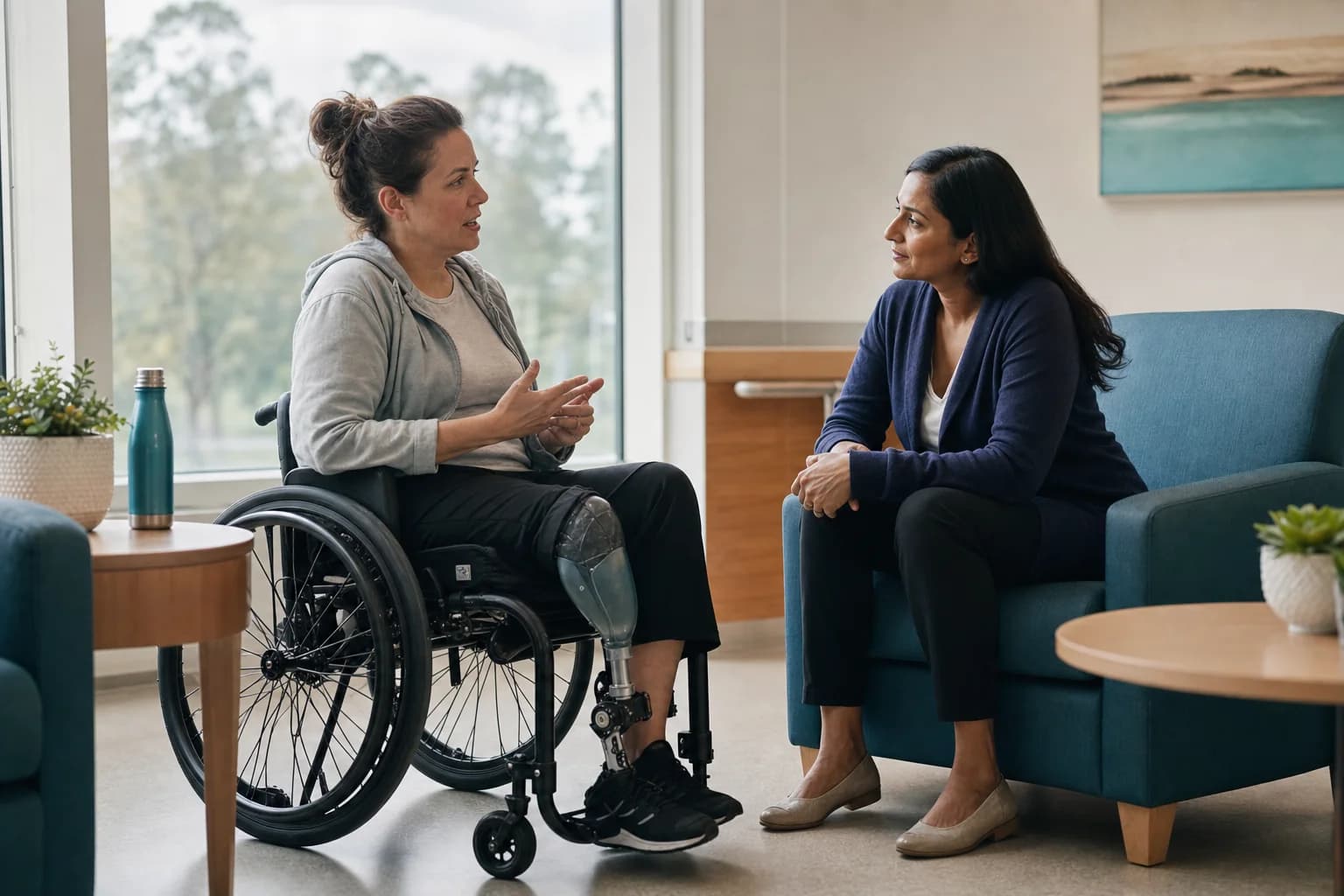
04What patient narratives add to experience scores
Scores support comparison. Narrative observations preserve the context teams need to understand a problem and decide where to look.

Operational learning
05Closing the feedback loop after someone speaks up
Collection is the beginning of listening. Healthcare teams still need to interpret feedback, assign ownership, act and communicate what happened.

Workforce voice
06Why healthcare staff stay silent about small concerns
Speaking up is shaped by hierarchy, psychological safety, reporting effort and leadership response. A shorter form can help with only one part of that problem.

Workforce and operations
07What workforce strain looks like before it becomes a workforce metric
Burnout, missed care and safety are associated in the research. Earlier operational observations can add context without diagnosing burnout or predicting turnover.

Learning from care
08Good care produces signals worth studying
Positive patient feedback can support recognition and learning. The evidence is promising, early and much more useful when teams examine the conditions behind good practice.

System learning
09Patients, families and staff see different parts of the same care system
Outside-in experience and inside-out operational signal overlap without becoming interchangeable. Leaders need both views and must preserve their differences.

Implementation
10How to design an early-signal pilot that people will trust
A practical framework for scoping, governing and evaluating an early-signal pilot without disrupting formal reporting or promising outcomes before they are measured.